
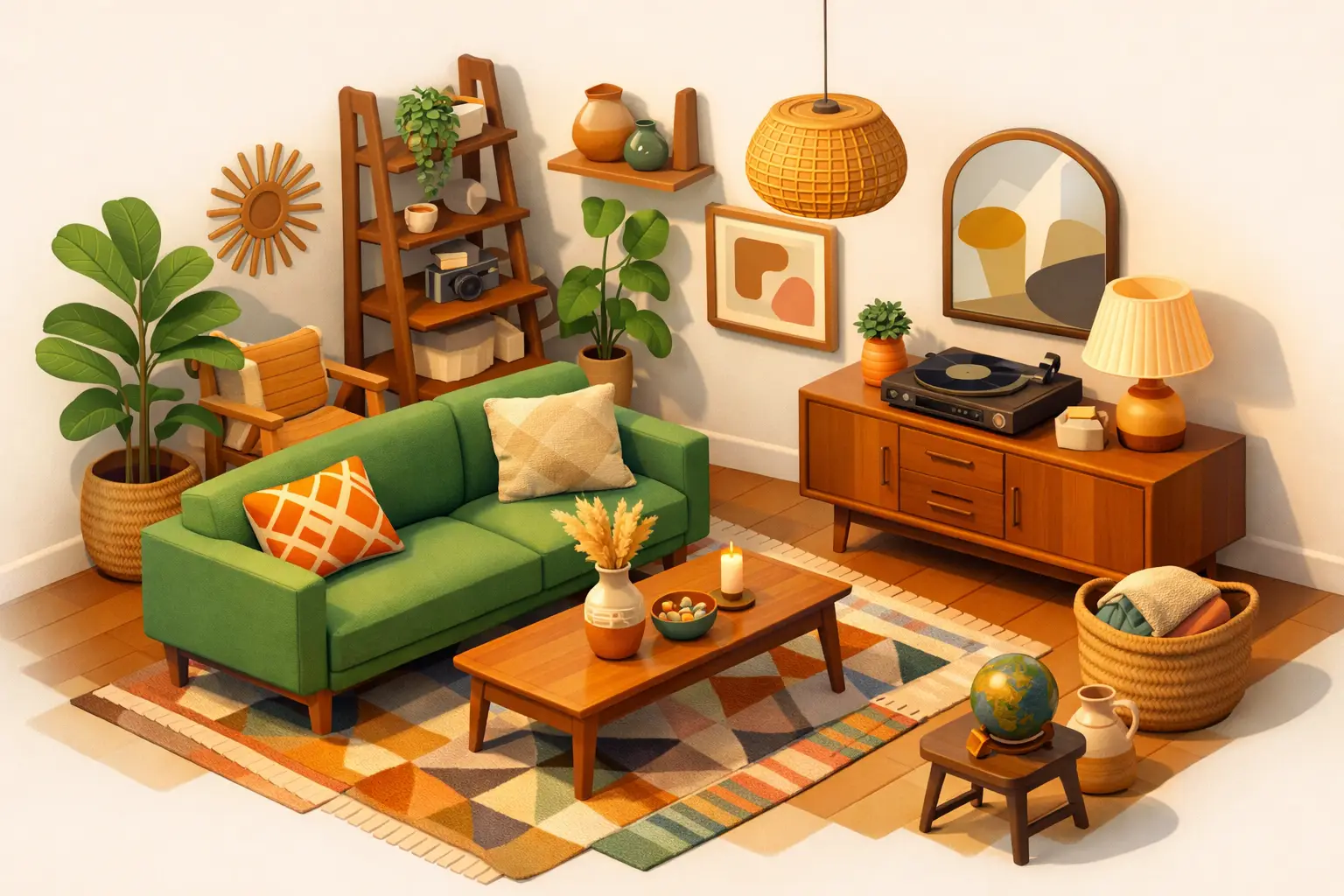
The difference between a home that looks decorated and one that feels lived in usually comes down to the pieces you could never grab off a big-box shelf. That is exactly why curated thrift home decor keeps pulling people in. It has the charm, the story, and the slightly unexpected mix that makes a room feel like yours instead of a copy of someone else’s saved post.
For a lot of us, decorating on a budget is not about settling. It is about being pickier. When you shop secondhand with intention, you start noticing the good stuff – a hand-thrown vase with an imperfect glaze, a brass candleholder with just enough patina, a vintage tray that somehow makes your coffee table look finished. Curated thrift home decor works because it filters out the clutter and keeps the personality.
What curated thrift home decor really means
Thrifted decor on its own can mean almost anything. It might be a lucky weekend find, or it might be a cart full of random pieces that never quite work together once you get home. Curated thrift home decor is different because someone has already done part of the editing.
That curation matters. It means the item was chosen for its style, condition, usefulness, or collectibility – not just because it was cheap. A curated secondhand shop or seller is usually looking at shape, color, era, material, and how a piece might live in a real home. That is a huge help if you love the thrill of thrifting but do not always have the time to sort through every dusty shelf in town.
It also does something important for online shoppers. Buying vintage or pre-loved home decor online can feel risky if listings are vague or poorly photographed. A curated approach makes the shopping experience easier because the seller is paying attention to details that matter, from visible wear to styling potential.
Why it works so well in real homes
One reason curated thrift home decor has such staying power is that it makes spaces feel layered. New homes can feel flat when everything is purchased at once from the same place. Thrifted pieces break that up. They add texture, age, and little moments of surprise.
A room does not need to be fully vintage to benefit from that mix. In fact, some of the best spaces combine secondhand decor with newer basics. A modern lamp next to an older ceramic vase feels more interesting. A clean, simple shelf styled with thrifted glassware looks collected instead of staged. The contrast is what makes it work.
There is also the budget side, which matters. If you want your home to feel thoughtful without overspending, curated thrift pieces let you stretch your money where it counts. Instead of paying premium prices for mass-produced “vintage-inspired” decor, you can often buy the real thing for less – or at least get something with more character for the same spend.
The trade-off is that thrifted decor usually is not replaceable. If you pass on a piece, it may be gone. If you buy it, there may not be another one exactly like it. For a lot of shoppers, that is part of the fun. For others, it takes a little adjustment. Curated shopping helps bridge that gap because the selection feels intentional, not chaotic.
How to spot good curated pieces
You do not need to be an antique expert to buy well. You just need a sense of what makes a piece useful and visually strong. Start with materials. Solid wood, ceramic, brass, stoneware, glass, and woven natural fibers tend to age better than flimsy composites or trendy decor made to look old.
Then look at shape. Sometimes the color is wrong or the finish is not perfect, but the silhouette is amazing. A sculptural bowl, a chunky candleholder, or a small framed print with great lines can be worth grabbing even if it needs a little cleaning.
Condition always depends on the category. A little crazing on pottery can add charm. Tarnish on metal might be part of the appeal. But chips on the rim of a mug used for drinking, unstable furniture, or heavy odor damage are different. Curated thrift home decor should still feel practical. Character is great. Hidden problems are not.
Scale matters too. People often fall for cute items without thinking about where they will go. Before buying, picture the piece in a real spot – an entry table, a bookshelf, a nightstand, a kitchen counter. The best thrift decor is not just interesting on its own. It earns its place in your home.
The rooms where thrifted decor shines most
Living rooms are probably the easiest place to start. Vintage frames, baskets, trays, pottery, candlesticks, and decorative books can all add warmth without making the room feel overcrowded. Even one standout thrifted accent can soften a space that feels too new.
Kitchens also benefit from secondhand decor because practical pieces can still be pretty. Think stoneware crocks, glass jars, wood cutting boards, or a small stack of mismatched dishes used for display. These items do not just sit there looking nice. They help the room feel active and welcoming.
Bedrooms are where curated decor can get more personal. A vintage jewelry box, a framed floral print, a soft lamp with an older base, or a delicate trinket dish can make the space feel less generic. You are not decorating a showroom. You are creating a room you actually want to wake up in.
Bathrooms are often overlooked, but thrifted accents work there too if you choose carefully. Small mirrors, trays, ceramic containers, and sturdy glass can elevate a basic setup fast. Just be mindful of moisture and choose materials that can handle it.
Styling curated thrift home decor without making it look cluttered
The easiest mistake with thrifted decorating is keeping everything because every piece feels special. A well-styled space still needs breathing room. Curated does not mean crammed.
Try grouping items by tone, texture, or shape instead of displaying everything separately. Three pottery pieces in slightly different heights can look collected and calm. Ten unrelated mini objects scattered across a shelf can look busy, even if each one is cute.
Mixing old and new helps too. If every single piece in a room is highly decorative, the eye gets tired. Give your thrifted finds some cleaner, simpler elements to play against. A sleek table can make a vintage lamp stand out more. Neutral walls can let colorful glassware or artwork do the talking.
It also helps to rotate pieces. One of the perks of buying secondhand is that your collection can evolve. You do not need to display everything all the time. Swapping decor seasonally or whenever a room starts feeling stale keeps things fresh without needing a whole redesign.
Buying from curated sellers vs. thrifting in person
Both options have real advantages, and it mostly depends on what kind of shopper you are. Thrifting in person gives you the rush of the hunt. You can inspect details up close, compare pieces in real time, and maybe score a deal that feels almost suspiciously good.
Buying from curated sellers saves time and cuts down on decision fatigue. The search is narrower, the listings are usually clearer, and the overall selection tends to be stronger. If you know your style but do not have hours to spend hunting, this route makes a lot of sense.
You will usually pay more for curated pieces than you would at a local thrift store, and that is fair. Someone has already spent the time sourcing, cleaning, researching, photographing, and presenting the item. You are paying for taste, labor, and convenience along with the decor itself.
That is one reason shoppers who love unique home pieces often come back to small curated businesses. There is trust there. You start recognizing a seller’s eye, and that makes it easier to shop confidently. At Zee’s Pieces, that mix of creativity, thrifting, and personality is part of what makes secondhand finds feel more approachable and fun.
Why this style of shopping keeps growing
People want homes with more personality. They also want their money to go further and their purchases to feel a little more thoughtful. Curated thrift home decor sits right in the middle of those priorities.
It is not about perfection. It is about choosing pieces that tell a better story than whatever is stacked by the hundreds in a warehouse. A home looks richer when it reflects your taste, your curiosity, and your willingness to mix the polished with the imperfect.
If you are building your space slowly, that is not a drawback. That is usually where the best rooms come from. Let your decor be a collection, not a race, and the pieces you choose will mean more every time you walk past them.
Leave a Reply