
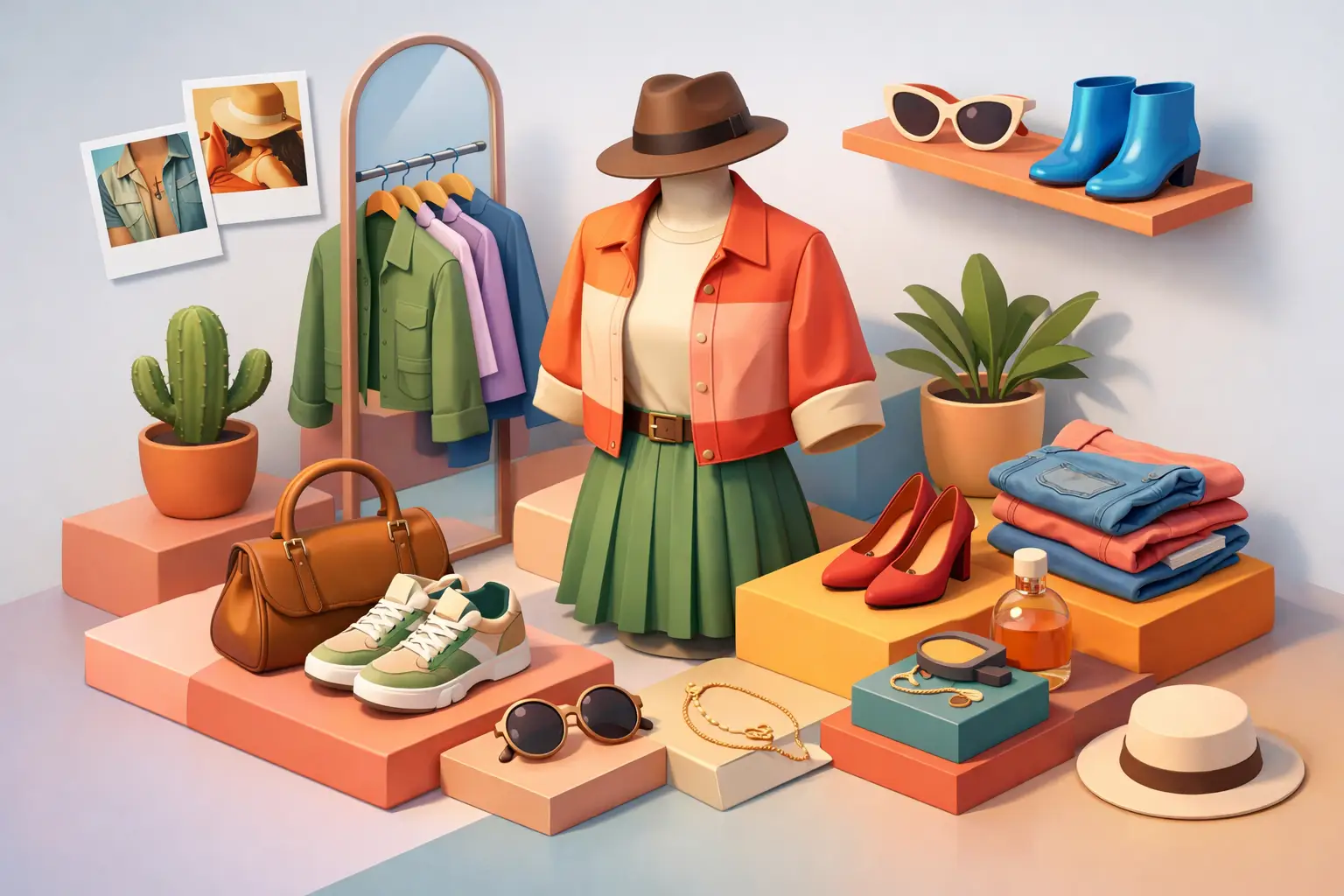
You know that feeling when you find an amazing thrifted blazer, vintage jeans, or a dress with perfect color and zero idea how to wear it? That is exactly where knowing how to style thrifted outfits makes all the difference. The best secondhand looks do not come from copying a mannequin. They come from mixing personality, fit, and a little creativity so your outfit feels current instead of costume-y.
Thrifting gives you pieces with history, texture, and way more character than most fast fashion racks. But that also means you are usually working with one-off items, older cuts, and brands that size differently. Styling is what pulls it all together. It is the step that turns a random great find into something you actually reach for.
Start with one standout piece
If an outfit feels tricky, do not build around five thrifted pieces at once. Start with one hero item and let everything else support it. Maybe it is a boxy leather jacket, a patterned midi skirt, wide-leg trousers, or a vintage cardigan in the best shade of green. When one item leads, the outfit gets easier fast.
This works because thrifted clothing often has more personality built in. A dramatic collar, an unusual print, heavier fabric, or a slightly retro shape already says a lot. Pair that standout with basics that feel familiar to you, like a fitted tank, white sneakers, simple denim, or a clean handbag. The mix keeps the outfit grounded.
If you try to make every piece the star, the look can start feeling busy. Sometimes that is fun, especially if maximal style is your thing. But if your goal is everyday wear, one statement piece usually creates the strongest outfit.
How to style thrifted outfits without looking dated
One of the biggest worries with secondhand fashion is looking like you stepped out of the wrong decade. Sometimes that is the point, but most of the time you want vintage-inspired, not stuck in time. The easiest fix is contrast.
Pair older shapes with modern staples. A vintage blouse looks fresher with straight-leg jeans than with a full retro skirt. An oversized mens blazer feels current with a crop top, fitted tee, or biker shorts. A thrifted slip dress gets a whole new life with chunky sandals, a denim jacket, or layered jewelry.
Fit also matters more than people think. A piece can be beautiful and still look off if the proportions are not working for your body or your styling choices. Try rolling sleeves, half-tucking a shirt, cuffing jeans, adding a belt, or taking something to a tailor. Small changes can take a piece from almost right to something you wear on repeat.
Shoes are another shortcut. They can modernize a thrifted outfit in seconds. Even if your clothing has a vintage vibe, current sneakers, sleek boots, loafers, or simple strappy sandals help balance the look. The outfit does not need to be new. It just needs to feel intentional.
Build around proportion, not just trend
A lot of style advice online jumps straight to trends, but thrifting works better when you understand shape. Trends come and go. Proportion helps every time.
If your top is oversized, try balancing it with slimmer bottoms or a defined waist. If your pants are wide or your skirt has volume, a closer-fitting top often keeps the look from feeling swallowed. If everything is loose, you can still make it work, but you need structure somewhere, like a cropped jacket, a belt, or shoes with a stronger shape.
This matters a lot with thrifted clothing because older garments are often cut differently than what is in stores right now. Shoulder lines may be broader. Rise lengths may be higher. Fabrics may have less stretch. Instead of fighting that, style with it in mind.
A thrifted oversized blazer, for example, may look awkward over a long tunic but amazing over a fitted tank and high-rise jeans. A vintage midi dress may feel too formal on its own, then suddenly become easy and wearable with sneakers and a crossbody bag. The goal is not to force every piece into one aesthetic. It is to give each piece the right partner.
Use accessories to make secondhand feel personal
Accessories are where a thrifted outfit really starts to look like yours. This is especially true if your clothing is simple or if you are still figuring out your style. Jewelry, bags, belts, and scarves can connect everything.
If you love a clean look, go with a thrifted denim or neutral outfit and add bold earrings, layered necklaces, or a standout bracelet stack. If your outfit already has print or texture, accessories can either calm it down or play it up. A structured bag can sharpen a softer vintage dress. A chain necklace can make an old tee and jeans combo feel more styled. A fun handbag can make basics look less basic.
This is also where handmade and thrifted pieces work so well together. A pre-loved outfit gets extra life when you pair it with accessories that feel unique and thoughtful instead of generic. That mix keeps your look from feeling too polished or too predictable.
Make your thrifted outfit look intentional
There is a difference between wearing thrifted clothes and styling them well. Usually, that difference comes down to finish.
Steam the piece. Lint roll it. Swap dated buttons if they are distracting. Clean the shoes. Condition the leather bag. Replace a tired belt if it is dragging the outfit down. A thrifted piece does not need to look brand new, but it should look cared for.
Color helps here too. If you are unsure how to combine secondhand finds, start with a tight color story. Neutrals always work, but so do earthy shades, denim blues, soft creams, black and white, or one accent color repeated through the outfit. When the colors relate, even a mix of textures and decades feels pulled together.
There is a real trade-off here, though. If you over-style every thrifted look, you can lose the charm that made the pieces special in the first place. Leave a little room for personality. Not every item needs to be polished into perfection.
How to style thrifted outfits for real life
The best thrifted wardrobe is not just photogenic. It works for your actual day. That means your styling should match where you are going, how much walking you are doing, and what makes you feel comfortable.
For casual everyday outfits, thrifted denim, graphic tees, relaxed button-downs, and cardigans are easy wins. Keep the base simple and add one detail that gives it character, like a vintage belt, colorful earrings, or a cool bag. This is the kind of outfit formula you will wear over and over.
For work or business-casual settings, thrifted blazers, trousers, loafers, and silk blouses can look incredibly elevated. Just pay extra attention to fit and fabric condition. A thrifted blazer with great structure can look far more expensive than it was, especially when paired with modern basics.
For going out, secondhand is honestly underrated. Slip dresses, mesh tops, mini bags, leather jackets, and unique heels or boots often show up at thrift stores with way more personality than mall brands. Let one fun piece lead and keep the rest sleek.
For seasonal styling, layering becomes your best friend. In cooler months, use tights, boots, sweaters, and jackets to make lighter thrifted pieces wearable. In warm weather, look for breathable fabrics and looser silhouettes. Not every thrift find is year-round, and that is okay. Some pieces earn their spot by being perfect for one season.
Trust repetition more than impulse
One of the smartest ways to get better at thrifted style is to notice what you actually wear. Not just what you like on the hanger, but what you reach for when you want to feel confident, comfortable, and put together.
Maybe you always love high-rise jeans and fitted tanks. Maybe midi skirts are more your thing. Maybe every great outfit you wear includes gold jewelry, a crossbody bag, and one oversized layer. Those patterns matter. They help you thrift with purpose and style with less guesswork.
It is easy to buy secondhand pieces just because they are interesting or cheap. We have all done it. But great thrifted style usually comes from editing as much as shopping. If a piece is amazing but does not work with the life you live or the clothes you already own, it may still not be the right buy.
That is why learning how to style thrifted outfits starts before you even get dressed. It starts with knowing your favorite shapes, colors, and outfit formulas, then spotting secondhand pieces that fit into that picture.
A good thrifted outfit does not need to fool anyone into thinking it is brand new. It should feel like you found something better – something with story, style, and a little more soul. Start simple, play with contrast, and let your favorite pieces earn their place. Your closet gets more interesting that way, and getting dressed gets a lot more fun.
Leave a Reply