
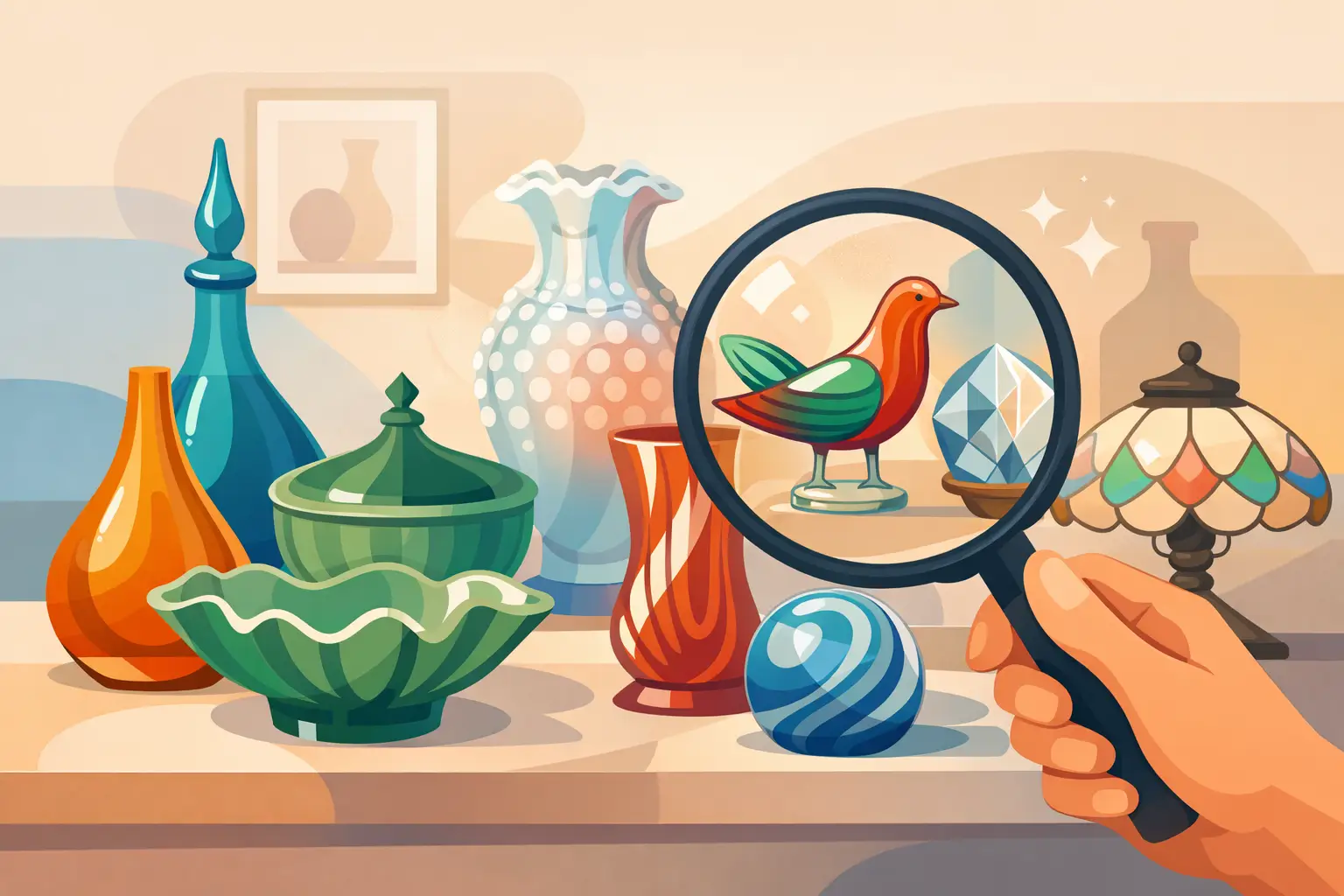
Some pieces stop you mid-scroll. A swung vase with a wild silhouette, a hand-blown bowl that catches the light just right, or a tiny paperweight with colors that look almost lit from within – that is the pull of vintage art glass. It feels special fast, which is part of the fun and part of the challenge. If you love thrifting, resale finds, and home decor with personality, this is one of those categories that can be affordable, beautiful, and a little addictive.
Vintage art glass sits in that sweet spot between decor and collectible. You can buy it because it makes your shelf look better, because you enjoy the craftsmanship, or because you know certain makers and styles carry real resale value. Most shoppers are doing some mix of all three. That is why it helps to know what you are actually looking at before you hit add to cart or carry a fragile treasure up to the thrift store register.
Why vintage art glass keeps pulling people in
Unlike mass-produced decor, vintage glass has quirks. You will see slight variations in shape, color, thickness, and pattern that make a piece feel alive. Even when it was factory made, older art glass often has more character than newer home decor because the color saturation, hand-finishing, and design trends were bolder.
It also works with a lot of styles. If your home leans cottage, mid-century, eclectic, boho, or even minimal with a few statement pieces, art glass can fit in without feeling forced. A single amber vase or smoky swung piece can warm up a room fast. If you like decorating with thrifted finds, it gives that layered, collected look people try very hard to fake with brand-new items.
There is also the treasure-hunt side of it. You might find a recognizable maker, or you might find an unlabeled piece that is simply gorgeous and worth bringing home anyway. Both are valid. Not every good buy has to be museum-level rare.
What counts as vintage art glass?
In simple terms, vintage art glass is decorative glass made in an earlier era, usually at least 20 years old, with an emphasis on design, color, or craftsmanship. That can include vases, bowls, paperweights, figurines, perfume bottles, and sculptural pieces. Some were handmade or hand-blown. Others were produced by known glass companies in larger quantities but still have collectible appeal.
This category covers a wide range. Murano-style glass, mid-century swung vases, studio glass, carnival glass, art glass paperweights, and colorful depression-era decorative pieces can all end up in the same conversation, even though they are not identical in age, value, or production method.
That is where people get tripped up. Pretty glass is not automatically valuable, and valuable glass is not always flashy. Sometimes the plain-looking piece with a pontil mark and excellent color is more interesting than the loudest item on the shelf.
How to spot quality when you are shopping
The first thing to check is the overall feel of the piece. Good vintage glass usually has intention behind it. The shape looks balanced, the color feels rich rather than flat, and the details do not seem accidental. If it catches your eye from across the room, there is usually a reason.
Then look closer at the finish. Hand-blown pieces may have a pontil mark on the base, which is a rough or polished spot where the glass was separated from the rod during production. That does not guarantee high value, but it can point to a more handmade process. Mold lines, on the other hand, suggest machine or mold production. That is not bad by itself. Plenty of collectible vintage glass was mold-made. It just changes how you identify it.
Color matters too. Cobalt blue, swung amber, swung green, ruby red, smoky gray, and unusual blended tones tend to attract buyers. But demand depends on style as much as shade. A popular silhouette in a common color may outsell an awkward shape in a rare one.
Condition is where smart shopping really happens. Chips on the rim, flea bites around edges, cracks, cloudiness from dishwasher damage, and deep scratches all affect value. Tiny base wear is normal. A repaired crack is usually a deal-breaker unless the piece is exceptionally rare or you are buying it strictly for display.
Vintage art glass makers and styles people watch for
You do not need to memorize every maker’s mark to shop well, but recognizing a few names and styles helps. Murano glass gets a lot of attention, though it is also widely misidentified. Just because a seller says Murano does not make it so. Labels, stickers, construction details, and style all matter.
Mid-century swung vases are another favorite, especially tall pieces with dramatic stretched openings. Viking, LE Smith, Fenton, and Kanawha are names shoppers often search for, along with other regional and studio makers. Blenko-style glass also gets attention for bold color and clean form.
The reality is that unmarked pieces are common. Sometimes you will not know the exact maker, and that is okay. If the form is strong, the color is beautiful, and the condition is clean, it can still be a great buy for your home or your resale inventory.
Buying for decor versus buying for resale
This is where it depends on your goal. If you are decorating, buy what you love and what works in your space. Art glass earns its keep through color, shine, and shape. You do not need a famous signature for a piece to be worth enjoying every day.
If you are buying for resale, emotion has to share the room with math. Fragile items cost more to ship, require careful packing, and have a smaller margin for mistakes. A gorgeous vase that only sells for a modest amount may not be worth the handling risk unless your cost is very low.
Size also changes the equation. Small paperweights, figurines, and compact decorative pieces can be easier to store and ship than oversized swung vases. Larger items may photograph beautifully and draw interest, but the buyer pool narrows once shipping enters the picture.
That said, statement pieces still do well when they hit the right trend. Home decor shoppers love items that feel one-of-a-kind, especially when they can style them on shelves, mantels, or coffee tables. If you are sourcing for resale, think about who would buy the piece, how it photographs, and whether the final selling price makes the packing effort worthwhile.
Where people make mistakes
The biggest mistake is buying based on a label someone else wrote. Thrift store tags, estate sale signs, and even online listing titles can be wrong. If a piece is priced high because it is supposedly from a famous maker, pause and verify as much as you can.
Another common mistake is ignoring damage because the piece is pretty. A tiny chip can knock a collectible piece into decor-only territory. There is nothing wrong with buying decor-only glass, but the price should reflect that.
People also underestimate how much lighting changes everything. A piece that looks dull in a store may glow in natural light. On the flip side, some items look amazing under bright thrift store bulbs and less impressive at home. If you can, hold the glass up carefully and see how the color behaves.
Styling vintage art glass at home
You do not need a huge collection for vintage glass to make an impact. One taller vase, one low bowl, and one sculptural accent can completely change a shelf. Grouping by color creates a polished look, while mixing shapes in the same tone keeps it interesting without feeling cluttered.
Glass also plays well with other thrifted textures. Try it near pottery, brass, books, woven baskets, or framed art. The shine of glass balances matte surfaces beautifully. If your style leans playful, mix bright colors. If you want something calmer, stick to smoky neutrals, clear glass, and one accent color.
Seasonal styling works too. Amber and olive glass feel especially good in fall, while clear, blue, and iridescent pieces brighten spring and summer spaces. The nice thing about collecting older decor is that you can rotate it without your home looking overly themed.
A smart way to start collecting
Start small and learn by handling real pieces. Pick up glass at thrift stores, estate sales, flea markets, and resale shops so you can get familiar with weight, finish, and construction. Photos help, but experience teaches faster.
Buy a few pieces that genuinely excite you, even if they are not expensive. That keeps the category fun while you build your eye. Over time, you will notice what styles you reach for, what colors sell quickly, and which forms feel timeless instead of trendy.
If you are a reseller, vintage art glass can be a great category when you stay selective. If you are a shopper decorating your home, it is one of the easiest ways to add character without buying something that looks like everyone else already has it. Either way, the best pieces are the ones that still make you pause for a second when the light hits them.
Leave a Reply