
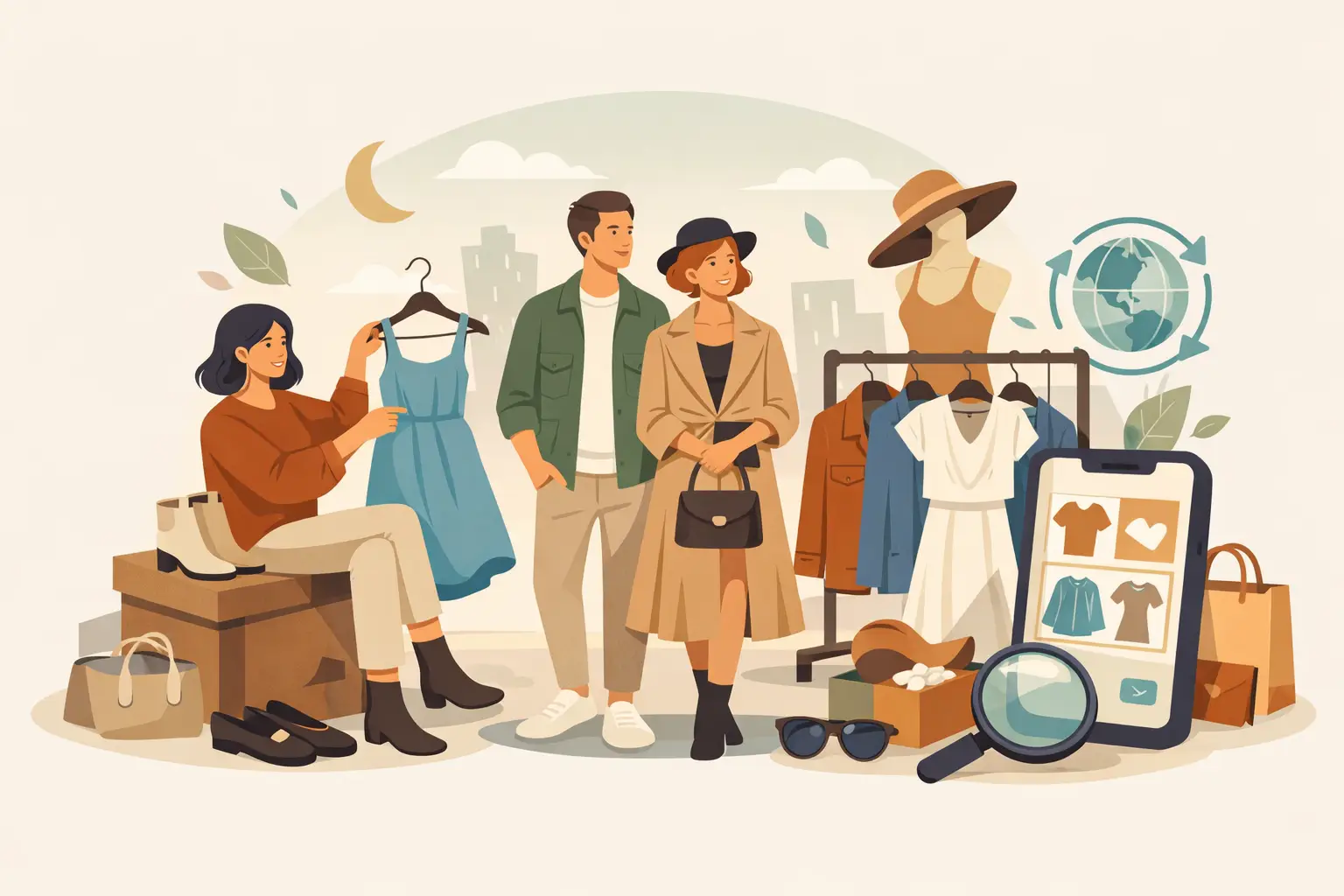
If your closet has started feeling less like a place for basics and more like a mix of story, texture, and personality, you’re already close to where secondhand fashion trends 2026 are headed. The shift is not just about saving money anymore. It’s about finding pieces that feel like you, wearing things with character, and shopping in a way that makes fashion feel fun again.
For resale shoppers, thrift lovers, and anyone who would rather score a great vintage bag than buy another forgettable fast-fashion item, 2026 looks especially interesting. We’re seeing style move away from overly polished, one-note wardrobes and toward outfits that feel collected over time. That is great news if you love the hunt.
What secondhand fashion trends 2026 are really telling us
The biggest change is that secondhand is no longer a side option for budget shoppers. It is becoming part of how style-conscious people build their wardrobes on purpose. That means buyers are getting pickier, but in a good way. They want better fabrics, more distinct silhouettes, and items that can do more than one job.
This also means resale is maturing. In past years, shoppers often grabbed secondhand pieces because they were cheap or lucky finds. In 2026, more people are shopping secondhand with a point of view. They are searching for exact cuts, brands, color stories, and eras. The treasure hunt is still part of the fun, but there is more intention behind it.
For sellers and curators, that changes what stands out. Random inventory can still move, but edited inventory has more power. A shop that feels thoughtful, personal, and style-aware will usually connect better than one packed with everything under the sun.
Personal style beats trend-chasing
One of the strongest resale shifts for 2026 is the move toward individual styling over strict trend rules. Shoppers still care about what feels current, but they are less interested in dressing like copies of the same mood board.
That opens the door for secondhand fashion in a big way. Vintage denim, slouchy leather bags, oversized blazers, fitted knit tops, old-school athletic wear, and broken-in boots all work because they can be styled across aesthetics. A single thrifted item can land differently depending on how someone wears it. That flexibility is part of the appeal.
It also means pieces with a little personality are winning. Think unusual buttons, textured fabrics, interesting collars, rich colors, and slightly unexpected shapes. Those details help a secondhand piece feel special instead of just used.
The return of quality over quantity
A lot of shoppers are tired of buying five cheap things and liking none of them six weeks later. In 2026, secondhand fashion trends are pushing buyers toward fewer, better pieces. Not always expensive pieces, just better-made ones.
Natural fibers are getting more attention. Cotton, linen, wool, leather, and silk tend to attract resale shoppers who have learned the difference between something that lasts and something that photographs well for one season. Structured jackets, real denim, and sturdy handbags are especially strong because they hold up over time and often look even better with wear.
There is a trade-off here. Better quality can mean higher resale prices, especially for vintage or recognizable brands. But a well-made secondhand item often gives more value than a cheaper new replacement. For a lot of shoppers, that math is starting to feel pretty obvious.
Vintage is staying strong, but wearable vintage is winning
Not every shopper wants a full head-to-toe throwback look. What’s working best is wearable vintage – pieces that bring charm and originality without feeling like costume.
That includes 90s and early 2000s bags, relaxed trousers, denim skirts, cropped leather jackets, slip dresses, soft cardigans, and jewelry that adds a little nostalgia without taking over the outfit. The key is balance. A vintage handbag with a modern pair of jeans feels easier for everyday wear than a full era-specific outfit.
This is also where curated resale shops have an advantage. Many shoppers love vintage style but do not want to spend hours digging through racks trying to figure out what is actually usable. They want someone with taste to do part of that work for them.
Accessories are doing more of the heavy lifting
Clothing matters, of course, but accessories are becoming one of the smartest ways to shop secondhand in 2026. A great bag, bold earrings, a stacked bracelet mix, a silk scarf, or a pair of vintage sunglasses can change an entire outfit without requiring a full wardrobe refresh.
That makes accessories especially appealing for budget-conscious shoppers. If someone is not ready to experiment with a leopard coat or metallic boots, they may absolutely try a textured shoulder bag or handmade statement earrings. Small shifts can still make style feel fresh.
For shoppers who mix handmade and resale, this is where things get especially fun. A secondhand outfit paired with artisan jewelry feels more personal than buying a full look from one big retailer. It looks collected, not copied.
Secondhand basics are getting more strategic
Basics are not going away, but shoppers are becoming more selective about them. In 2026, the resale customer is less likely to grab any plain tee just because it is cheap. Instead, she is looking for basics with better fit, fabric, and styling potential.
That could mean a boxy white button-down, perfectly faded denim, a neutral cashmere sweater, or a black tank with a flattering cut. These pieces do not have to scream for attention. They just have to work hard.
This matters because secondhand fashion trends 2026 are not only about statement pieces. They are also about building wardrobes that feel layered and easy to wear. The flashy find gets the excitement, but the well-chosen basic is often what makes the closet function.
Resale shoppers want transparency and curation
As online resale grows, buyers are becoming more informed. They want clear photos, honest condition notes, accurate measurements, and some sense of why a piece is worth buying. This is especially true when they are shopping from small sellers instead of giant platforms with standardized listings.
That means storytelling matters, but usefulness matters more. A shopper wants to know if the leather is soft, if the color is true, if the hem has wear, and whether the piece runs small. Trust is part of the product now.
For small businesses and resellers, this is actually a good thing. You do not have to be a huge retailer to compete. You just have to be thoughtful, consistent, and real. A curated shop with personality can go a long way when buyers feel like a human being is behind the listing.
Trend cycles are faster, but secondhand offers a smarter way in
One reason secondhand keeps growing is simple: trend cycles move fast, and shoppers do not always want to pay full retail to try something new. Resale gives them room to experiment without the same pressure.
If butter yellow comes in strong, if boho details swing back around, if tailored prep makes another return, shoppers can test those looks through secondhand pieces first. That lowers the risk and keeps closets from filling with expensive impulse buys.
It also works the other way. When a trend cools off, secondhand shoppers often hang onto the pieces that still fit their actual style and resell the rest. That makes fashion more circular, but also more practical.
What this means for shoppers and sellers in 2026
If you love buying secondhand, the move is to get clearer about your taste. Save inspiration, notice what silhouettes you actually wear, and keep an eye out for quality fabrics and accessories that can elevate simple outfits. Shopping with a little focus does not ruin the fun. It usually makes your finds better.
If you sell, 2026 is a good year to be more intentional with your inventory. Pay attention to condition, styling, and presentation. Think in terms of wardrobe building, not just isolated products. A shopper may come for a vintage bag, but she stays when she trusts your eye.
That is part of what makes this space exciting. Resale is not just becoming bigger. It is becoming more creative, more style-driven, and more connected to real people with real taste. For a small business like Zee’s Pieces, that is a sweet spot worth watching.
The best part about secondhand style in 2026 is that it leaves room for discovery. You do not need a perfect closet or a huge budget to participate. You just need a good eye, a little curiosity, and the willingness to choose pieces that feel like they belong in your life.
Leave a Reply